 Virtual Colossus
The British impression
A report on Dragon 1 was written after the war by Gil Hayward, who worked with Tommy Flowers at Dollis Hill and designed the Mark 2 Tunny machine. He was less than enthusiastic about it:
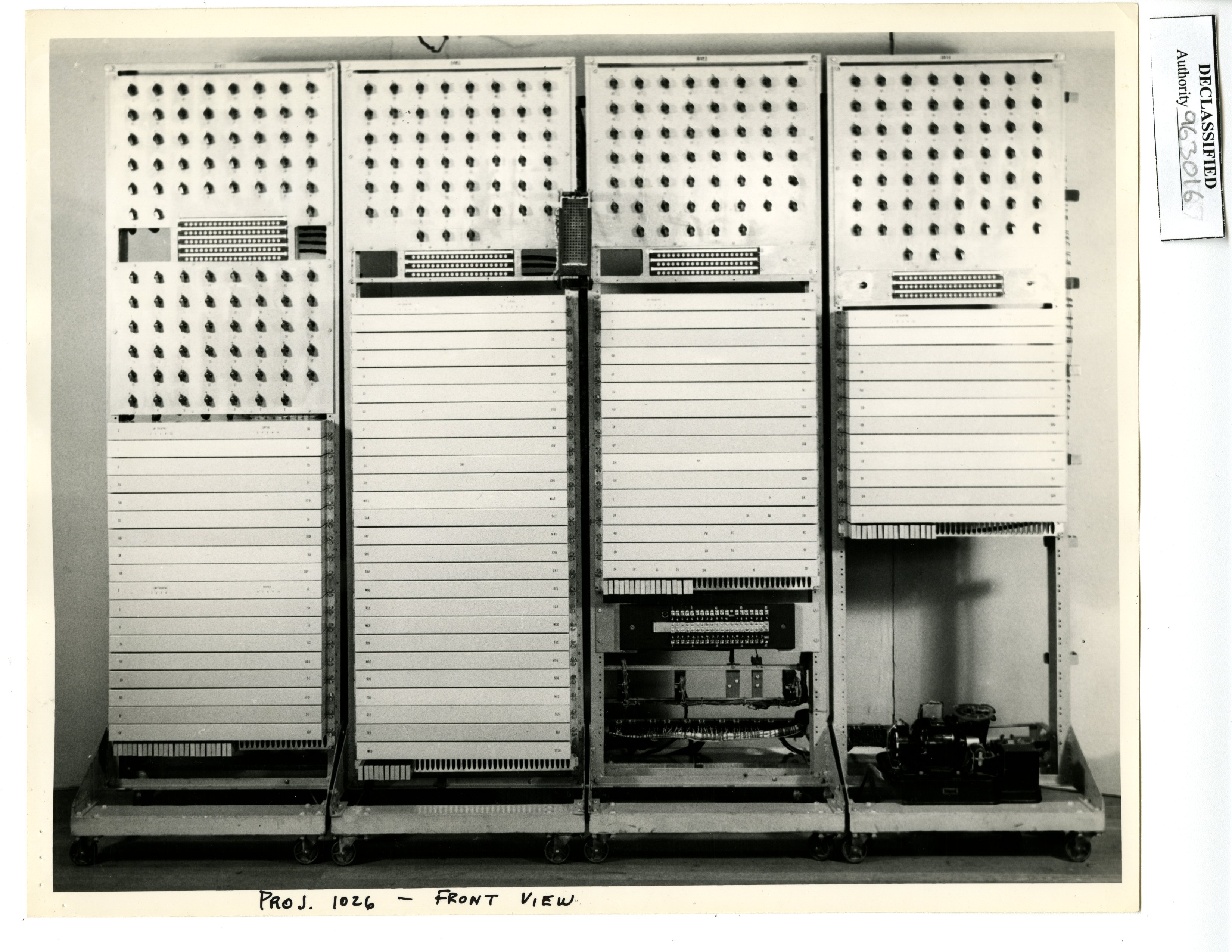
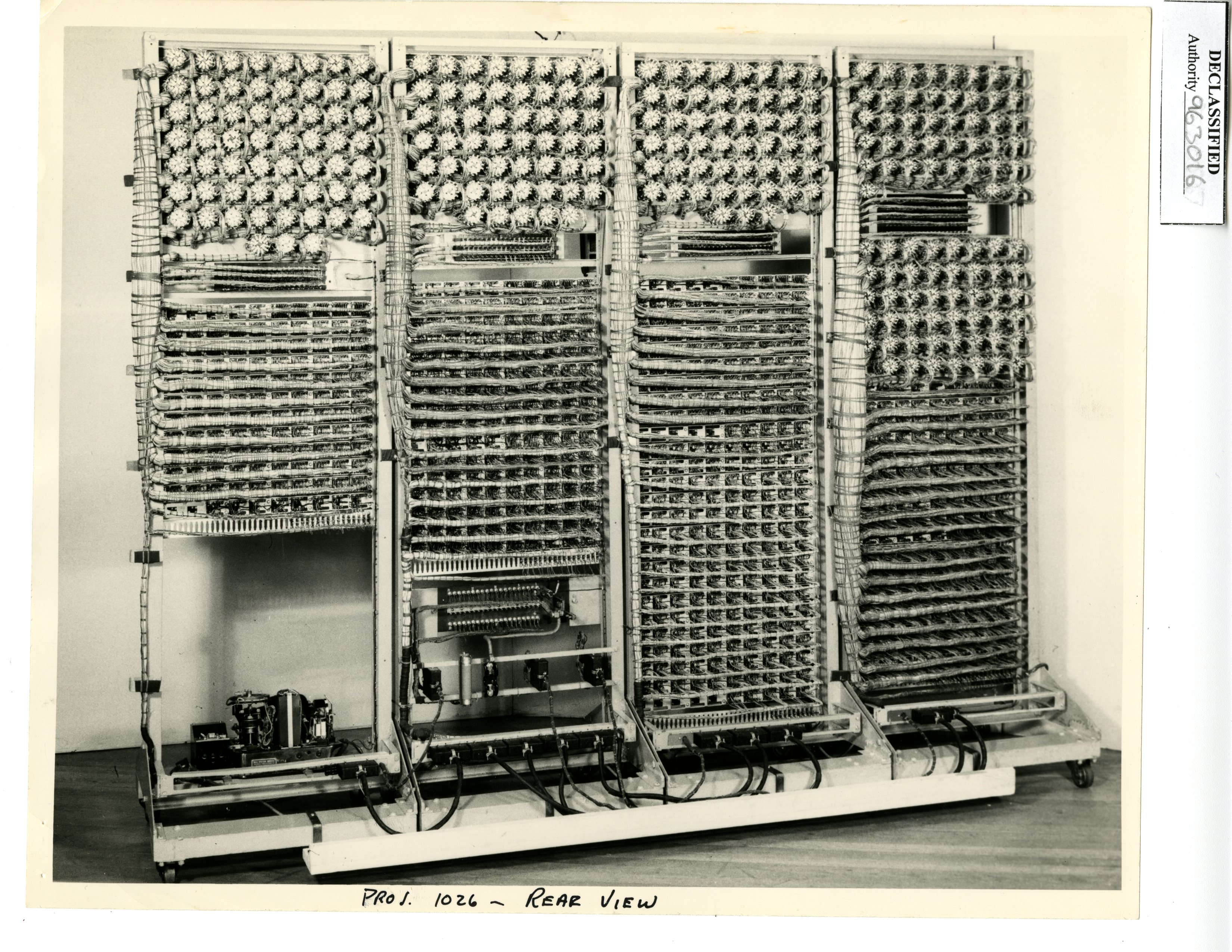
“Sam’s [Sgt. T. L. Collins; Sam Scram was the nickname given to him] ‘baby’, as he called it, was new to us … Broadhurst [Sid Broadhurst, head of the Tunny design team] came along for the switch-on, interested to see how the American cross-point relays, which were unfamiliar to us, would perform. Sam threw the main switch, causing the most deafening clatter and grinding noise we had ever heard coming from an assembly of relays. It sounded like a monster munching its way through sheets of tin plate. The load on the power supply was so great that the room lights dimmed as several hundred relays pulled in at once, and then brightened again on their release. Sam seemed to think this was normal.”
“Dragon, as we dubbed it, crashed and clanged on for about three weeks. Then I came in one morning to find a disconsolate Sam, who figured his baby was very sick. The thing spluttered on for a short time longer and then fell silent: Sam’s Dragon was dead. Sid Broadhurst came in to examine the wreckage. The relays that the designers had used were intended for telephone exchanges, where they would operate once per telephone call. In Dragon they operated about once per second, continuously. Their contacts had cut into each other, to the point where they no longer met. Sid took me on one side and said quietly, in that dry way of his, ‘I think we could make one of those, don’t you?’. He went back to DH and in the remarkably short time of about three weeks had produced his own version of Dragon, which we installed in the same room as Sam’s defunct baby.
Sam was late in arriving the morning when our Dragon was switched on. He came in and said in his usual breezy way, ‘Hi, Cappy, when are you gonna run this thing?’ I told him that it was already running. For once Sam was speechless. Except for a very faint pitter-patter from the relays, our Dragon was practically silent. Sam dismantled his machine, and it was taken away.”1
However, other reports, particularly the weekly Dragon and liaison reports, seem to show that Dragon didn’t break down after three weeks, but was still running up to ten weeks later, so Gil Hayward’s account may be somewhat embellished. It does seem likely that Dragon 1 had reliability problems, and that Dragon 2, which actually took around eleven weeks to build rather than three, was definitely the more dependable of the two.
The American view
Another version of events is in the NR 4628 Special Fish Report (Box 1417) by Albert W. Small, an American cryptanalyst in the US Signal Corps, seconded to Bletchley Park to report back on the work of breaking the Lorenz cipher:
“[Dragon] is indeed proving itself to be quite worth while. The British are not using it to break psi’s; and they are not using it to set psi’s on days of high motor dottage, since this can be done quickly by hand.
But when they want to set psi’s on days when motor dots are low, Dragon gets answers in a truly astounding fashion. For this reason it is kept busy on low-motor-dottage traffic. It solves an average of 4 or 5 transmissions a day which might not have been set otherwise.”
Dragon is reported to have broken 31 de-chis on low motor dottage by the end of October, the month it arrived. Unfortunately for Dragon, though, the increasingly capable Colossus machines and the speed of the codebreakers in the Testery seem to have taken much of its most profitable material.
Virtual Dragon FAQs
Did Dragon work?
From working on Virtual Dragon, and from the few real Lorenz messages available, it seems Dragon did its job quite well. But of course it depended on someone choosing the right crib to find in the message, and on the assumption that all contractions were genuine.
Was it successful?
A number of the codebreakers in the Testery, such as Captain Jerry Roberts and Peter Edgerley, are reported to have been fantastically fast at spotting the tell-tale signs of a break into a de-chi, and could easily outpace Dragon on many messages, getting a break within a few minutes. Dragon did work successfully on a number of messages where the codebreakers had failed to find a break, but it probably arrived too late in the war to be of great consequence overall.
How fast did it run?
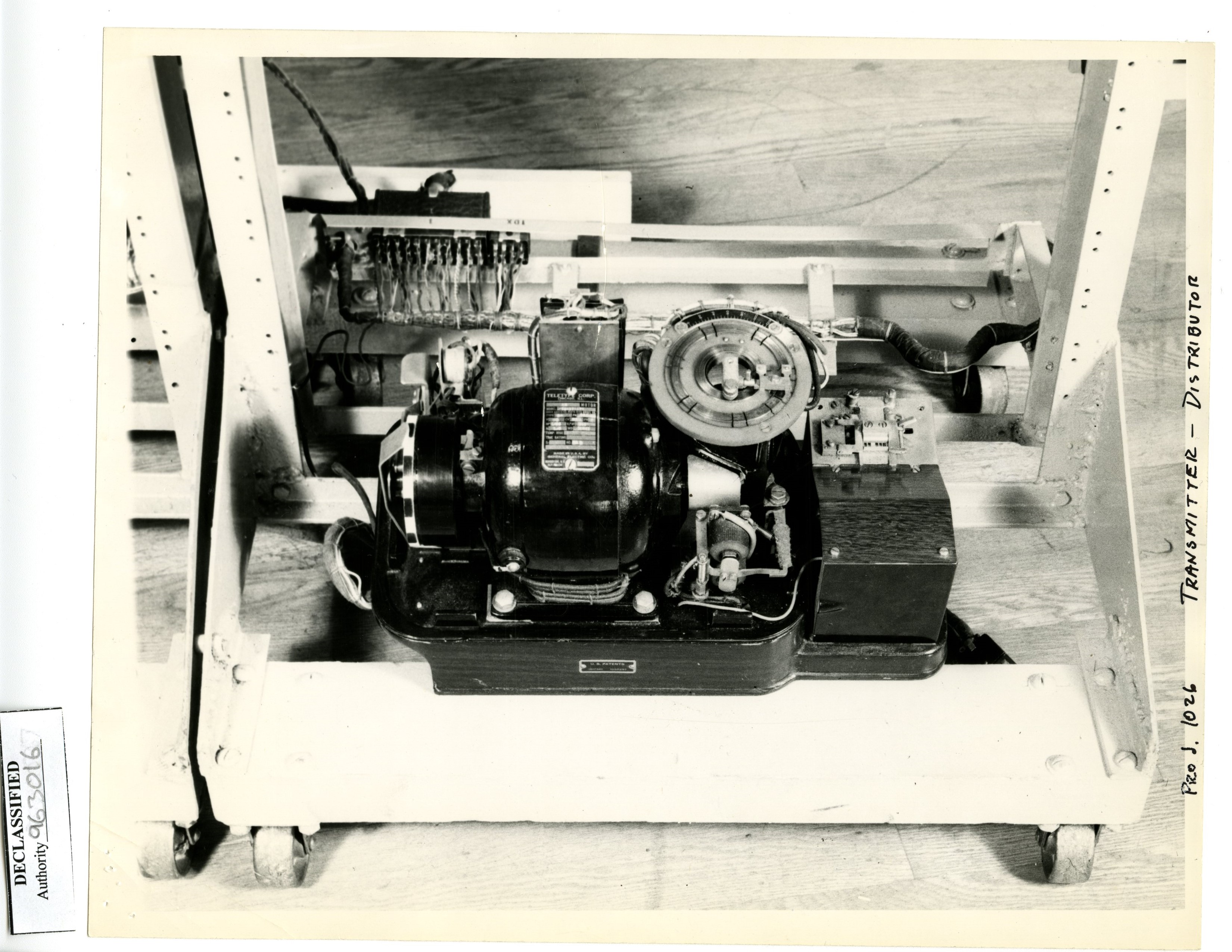
Its speed was probably set by the standard speed of the Teletype input rather than by the relays themselves, so unless the Teletype was run faster than normal, it would have run at 50 baud, around 6–7 characters a second.
Why use Dragon, rather than finding the Psi wheel starts on Colossus?
Colossus could find the Psi start positions, but it took quite a while, because it looks for a statistical count across the whole message, so has to read the whole tape many times. Say we are searching a message 5,000 characters long. To find the best result for the first two Psi wheels means counting through all 5,000 characters for every setting of both wheels. The first Psi wheel has 43 settings and the second 47, so Colossus has to read the tape 2,021 times (43 × 47). Even though Colossus reads tape at an incredible 5,000 characters a second, that still takes about 30 minutes, and that’s only the first two Psi wheels; at least two more runs are needed for the others. (The Colossus Mark 2 could, if configured, process 5 characters at once, which cut this to under 10 minutes.)
Compare this with Dragon. It ran at only 6–7 characters a second, but as it made a simple check on each row in parallel, it could check one crib through all 5,000 characters in about 12 minutes. And it didn’t necessarily have to check the whole tape: it could stop sooner if it found a possible match, which could go straight to the Testery. So using Dragon for the Psi wheels freed a Colossus to start breaking the Chi wheels of another new message.
The end of the Dragon
At the end of the war, GCCS asked the SSA whether they would like the Dragon, no longer working, dismantled for scrap. The reply was “DRAGON’S return undismantled desired.” It was returned to the SSA at Arlington Hall by 15 September 1945.
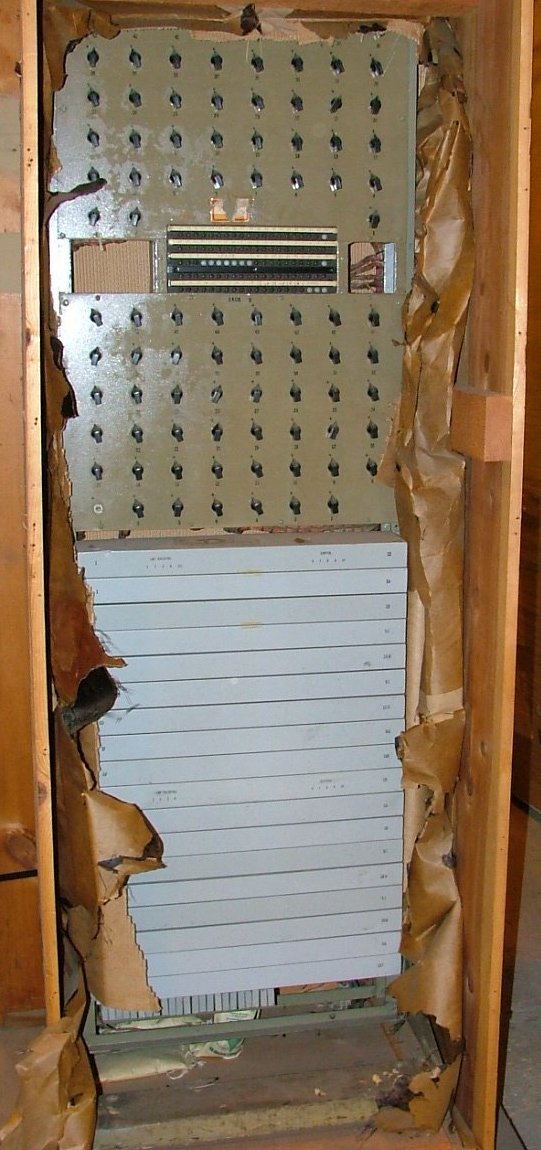
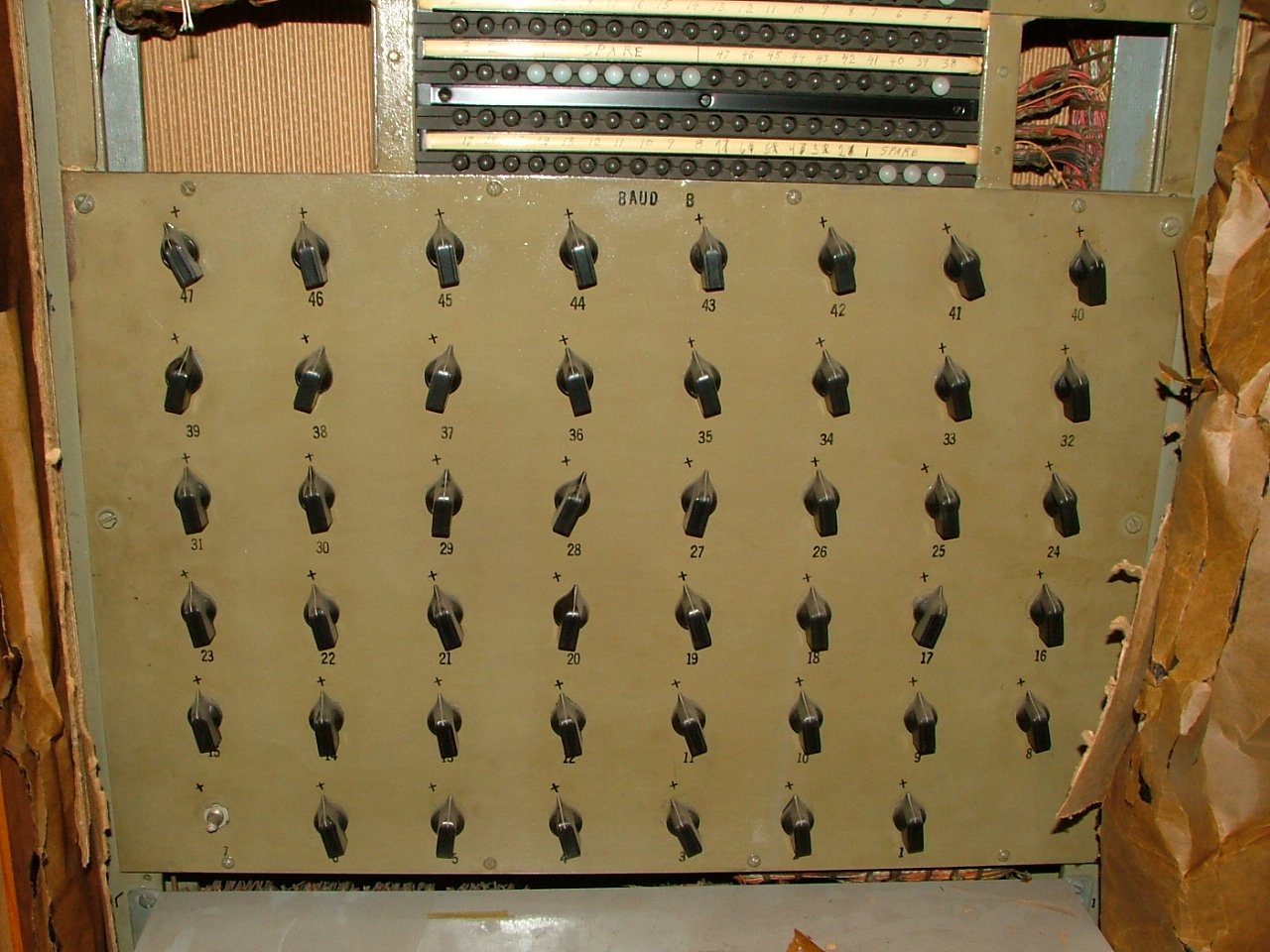
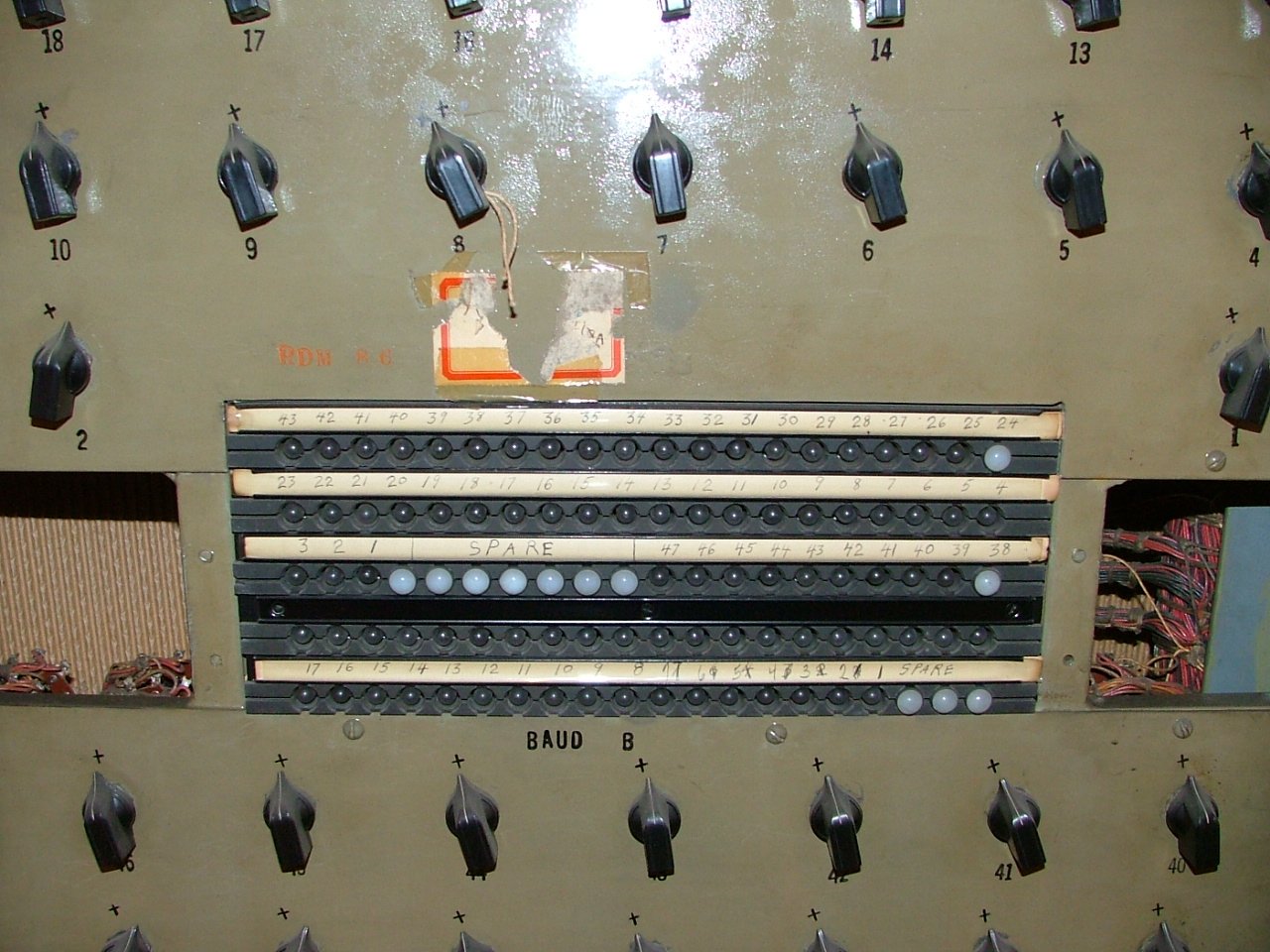
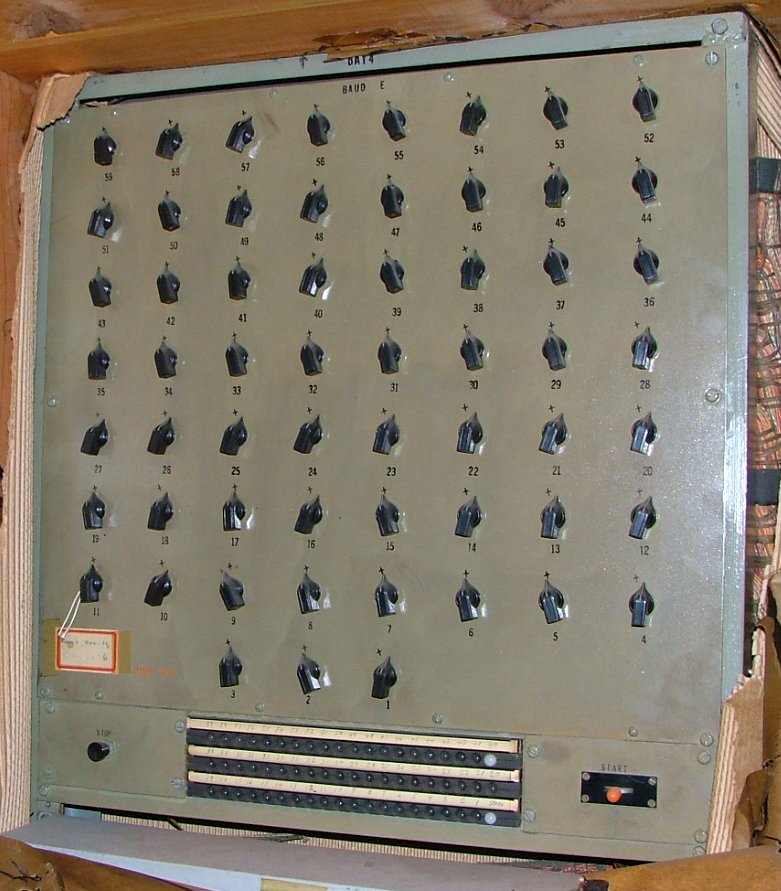
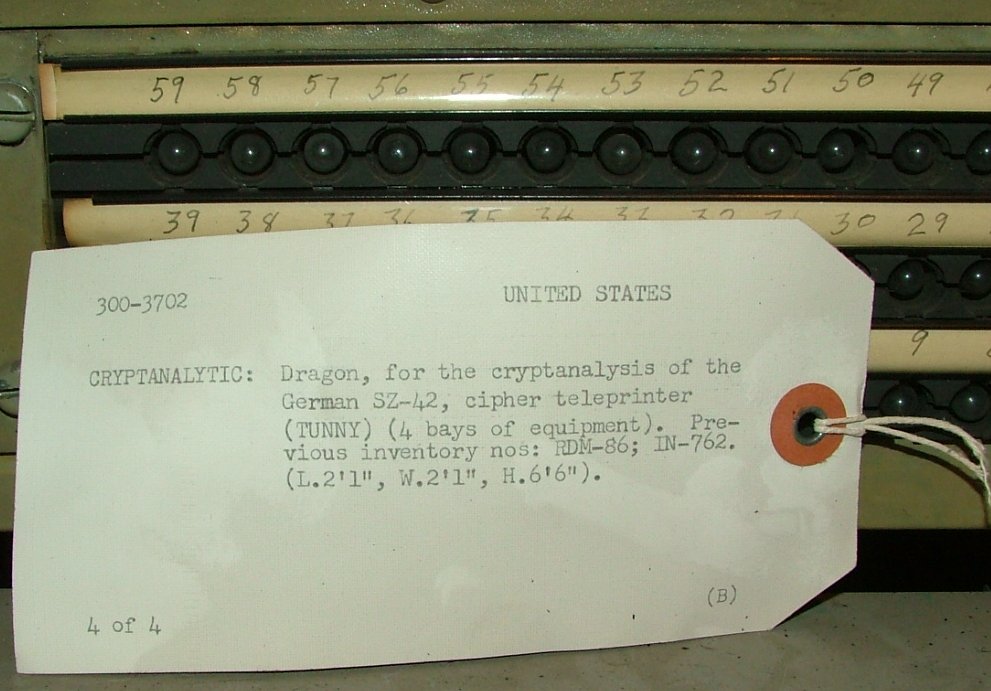
What remains of Dragon is in storage at the National Cryptologic Museum (NCM), Fort Meade, Maryland. As far as is known, it is probably the only surviving piece of World War II special-purpose Rapid Analytic Machinery in the world.
1. Colossus: The Secrets of Bletchley Park’s Codebreaking Computers, chapter 23, “The British Tunny Machine”.